ENSURING A TRACEABLE VALUE CHAIN FROM FARM TO FORK
ENSURING A TRACEABLE VALUE CHAIN FROM FARM TO FORK
THROUGH VALUE CHAIN VISUALISATION
Food systems cannot be resilient to crises such as the Covid-19 pandemic if they are not sustainable. An affordable and healthy food offering for consumers is central to achieving this goal.
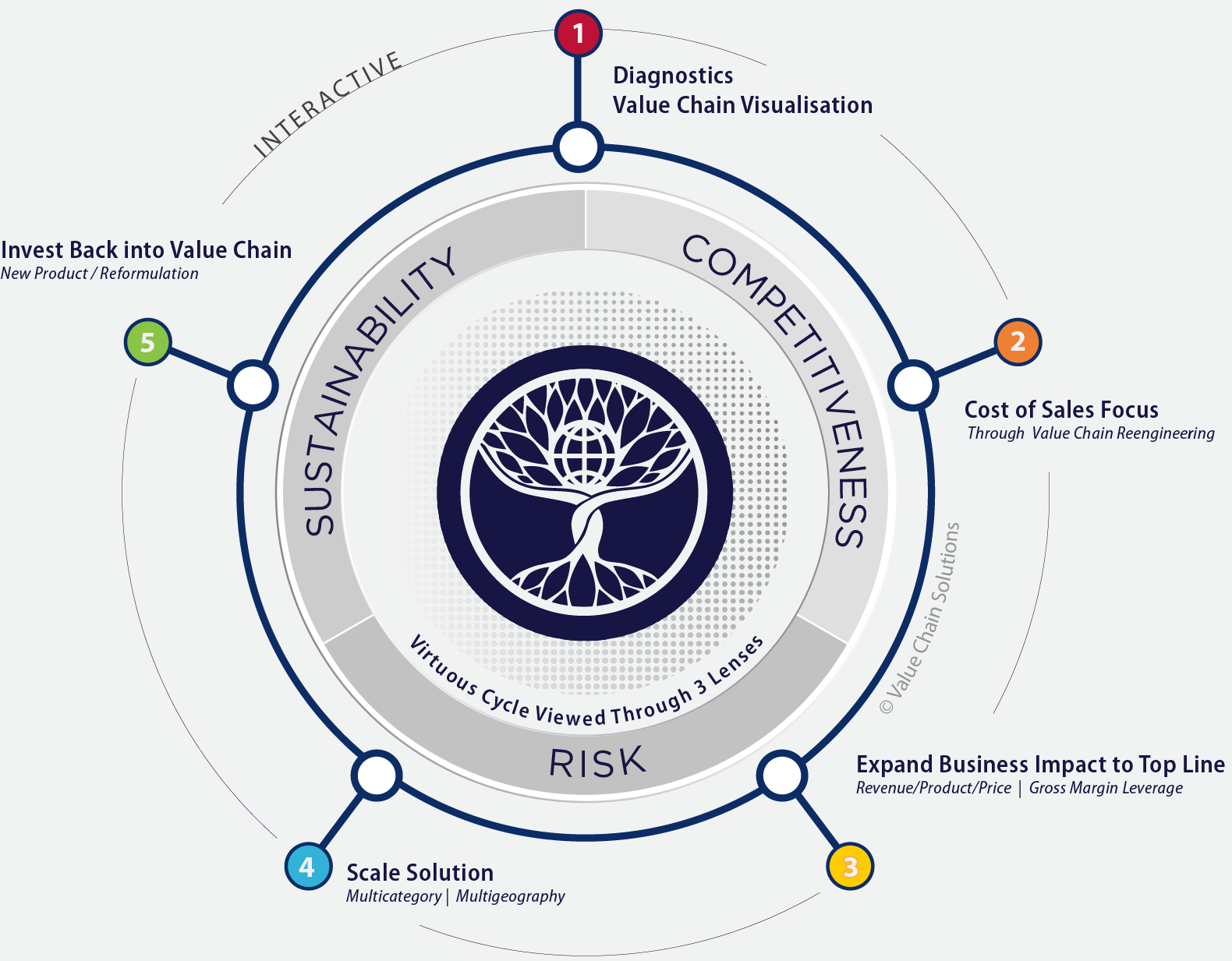
THE VIRTUOUS CYCLE APPROACH SUPPORTS THIS GOAL FULLY BY:
PART 1 Ensuring a traceable value chain from farm to fork through value chain visualisation.
PART 2 Reducing food losses and waste by identifying and eliminating waste.
PART 3 Bringing it all together using the Virtuous Cycle to drive affordable food via sustainable food production, distribution and consumption.
BACKGROUND
THE EUROPEAN UNION AIMS TO BE CLIMATE-NEUTRAL BY 2050 THROUGH THE EUROPEAN GREEN DEAL STRATEGY. THE FARM TO FORK (F2F) AND BIODIVERSITY STRATEGIES ARE PARTS OF IT.
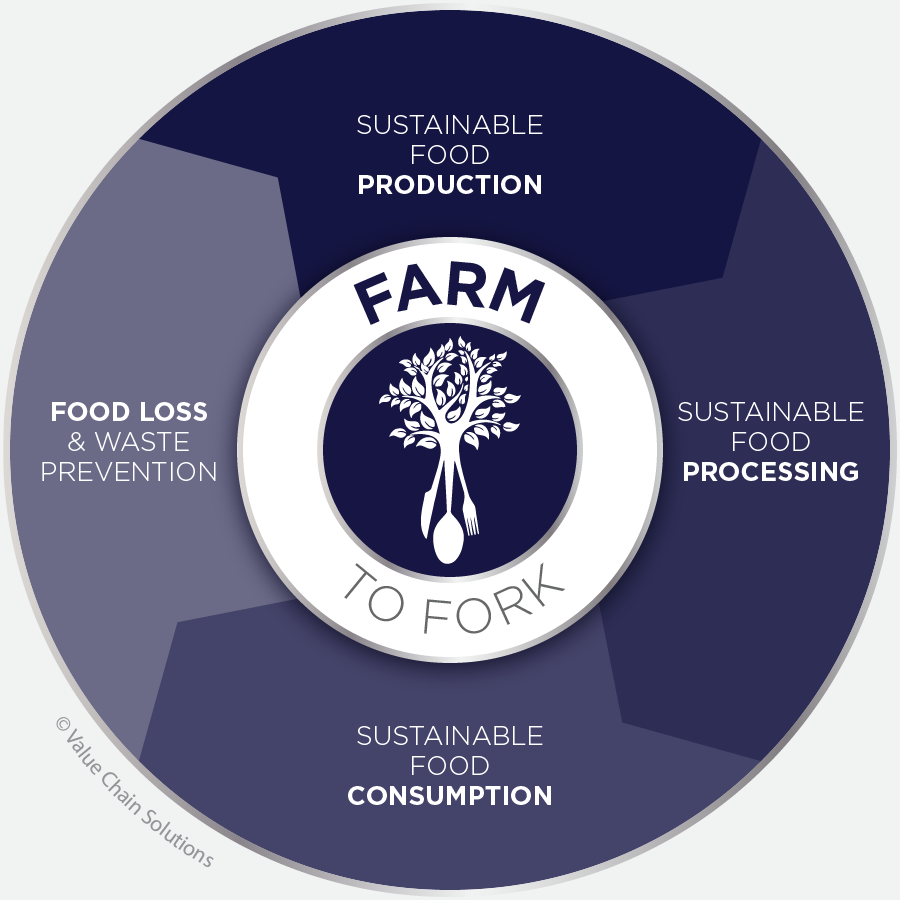
The Farm to Fork Strategy aims to make food systems fair, healthy and environmentally-friendly. It will incorporate primary production (farming), the extended value chain and consumption. The strategy needs to extend to trading partners of the European Union, including those on the African continent, so success will ultimately depend on the ability of the extended value chain to migrate in this direction.
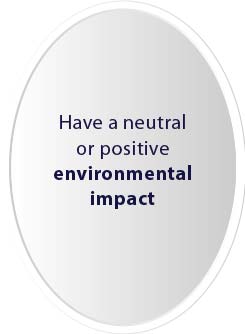
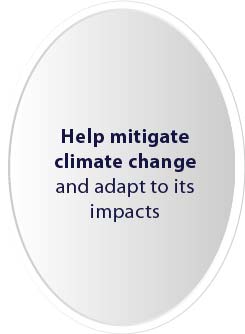
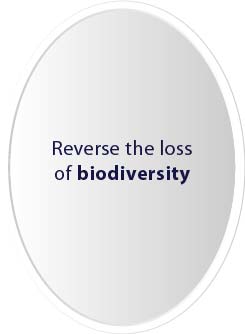
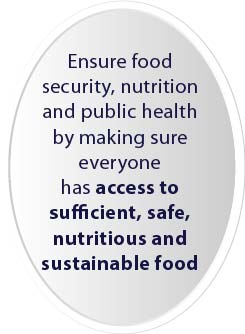
MORE SPECIFICALLY, THE STRATEGY AIMS TO:
The Farm to Fork Strategy aims to make food systems fair, healthy and environmentally-friendly. It will incorporate primary production (farming), the extended value chain and consumption. The strategy needs to extend to trading partners of the European Union, including those on the African continent, so success will ultimately depend on the ability of the extended value chain to migrate in this direction.
SUPPORTS THE FARM TO FORK STRATEGY AND BELIEVES THAT THE AFFORDABILITY OF FOOD CAN BE
PRESERVED WHILE GENERATING FAIRER ECONOMIC RETURNS, FOSTERING A COMPETITIVE SUPPLY CHAIN AND
PROMOTING FAIR TRADE.
We believe the Virtuous Cycle is the key to unlocking investment in the value chain, which in turn will drive inclusiveness and sustainability in the value chain.
We believe the Virtuous Cycle is the key to unlocking investment in the value chain, which in turn will drive inclusiveness and sustainability in the value chain.
OVERVIEW | PART 1
The Overarching Problem:
AFFORDABILITY – ACCESS TO HEALTHY, QUALITY FOOD AT THE RIGHT PLACE, TIME AND PRICE.
Sustainability goes hand in hand with affordability. Ultimately, if food is not affordable, it is not sustainable, leading to food waste. The lack of traceability needs to be addressed because traceability can promote good practices and respect for people and the environment all along the supply chain. Failure to transform will result in failure to compete and ultimately inability to operate.
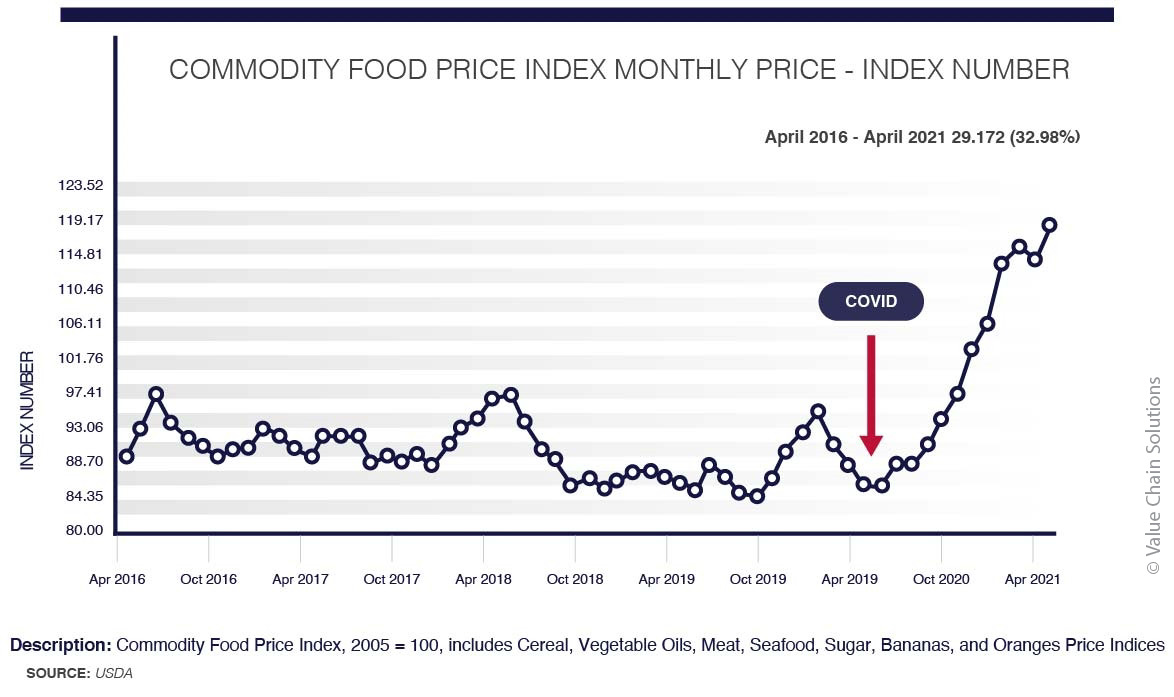
The pandemic and resultant economic impact seriously disrupted supply chains and commodity cycles, fast-tracking the urgency for a solution to the upward momentum of food commodity prices we have been experiencing since April 2020. The effects of which are now becoming visible on food store shelves.
Sustainability goes hand in hand with affordability. Ultimately, if food is not affordable, it is not sustainable, leading to food waste. The lack of traceability needs to be addressed because traceability can promote good practices and respect for people and the environment all along the supply chain. Failure to transform will result in failure to compete and ultimately inability to operate.
The pandemic and resultant economic impact seriously disrupted supply chains and commodity cycles, fast-tracking the urgency for a solution to the upward momentum of food commodity prices we have been experiencing since April 2020. The effects of which are now becoming visible on food store shelves.
PART 1 VALUE CHAIN VISUALISATION
ENSURING A TRACEABLE VALUE CHAIN FROM FARM TO FORK
THE CHALLENGE: Ensuring a Traceable Value Chain from Farm to Fork
THE SOLUTION: Value Chain Visualisation
Visualisation enables one to understand the relationships, dynamics and challenges in the value chain which in turn enables us to ensure traceability, identify waste and ultimately address affordability issues.
VCS VIRTUOUS CYCLE | STEP 1
The visualisation of the extended value chain’s key dynamics and diagnostics of relationships are the first key steps to unlock potential value.
We focus on establishing the fact base using our unique approach and data-driven toolsets.
A complete view of the extended value chain includes all the key inputs and relevant markets impacting the end-to-end supply chain in focus.
The visualisation of the extended value chain’s key dynamics and diagnostics of relationships are the first key steps to unlock potential value.
We focus on establishing the fact base using our unique approach and data-driven toolsets.
A complete view of the extended value chain includes all the key inputs and relevant markets impacting the end-to-end supply chain in focus.
IMPLEMENTATION EXAMPLE
TRACEABLE AND SUSTAINABLE PALM OIL VALUE CHAIN DESIGN
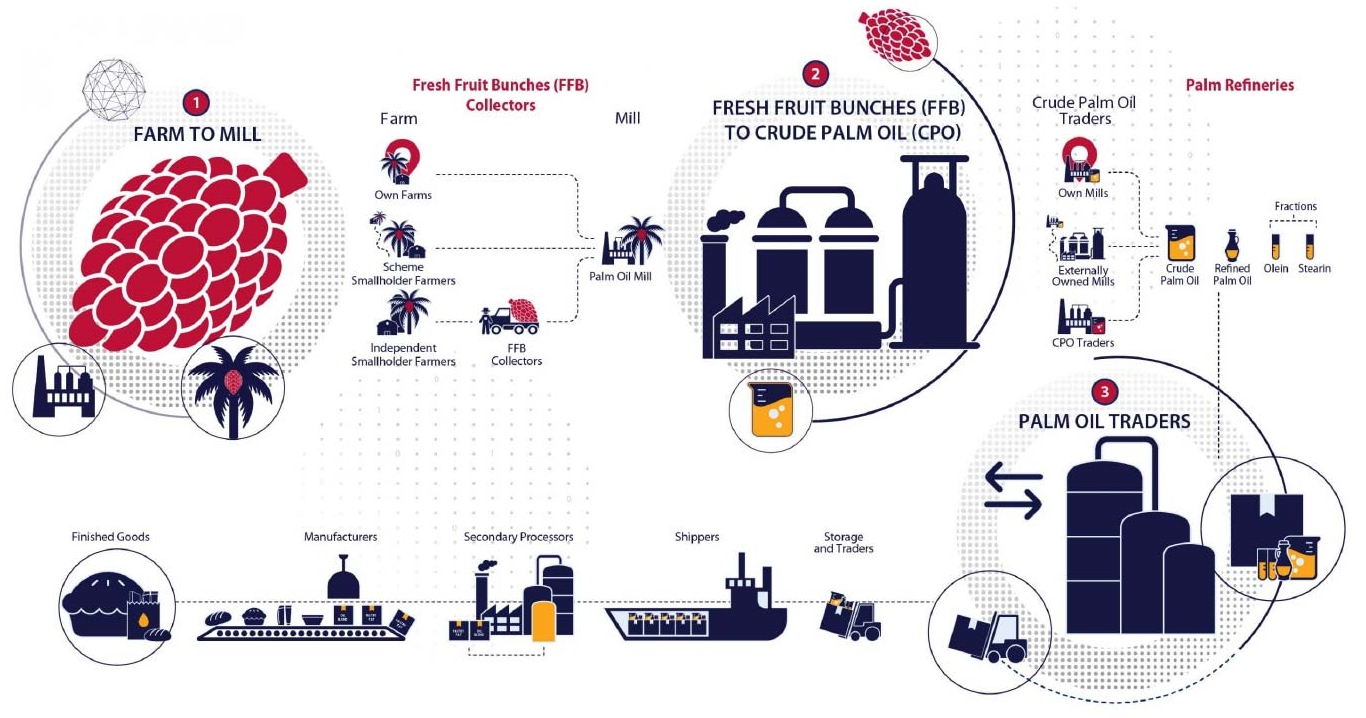
THE PALM OIL VALUE CHAIN
CASE STUDYMALAYSIA
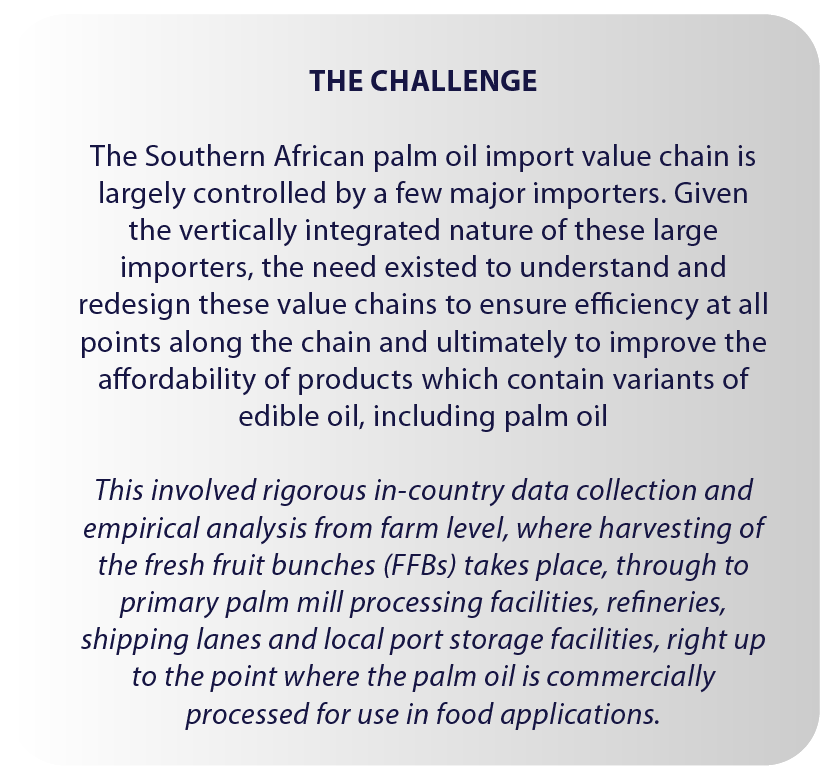
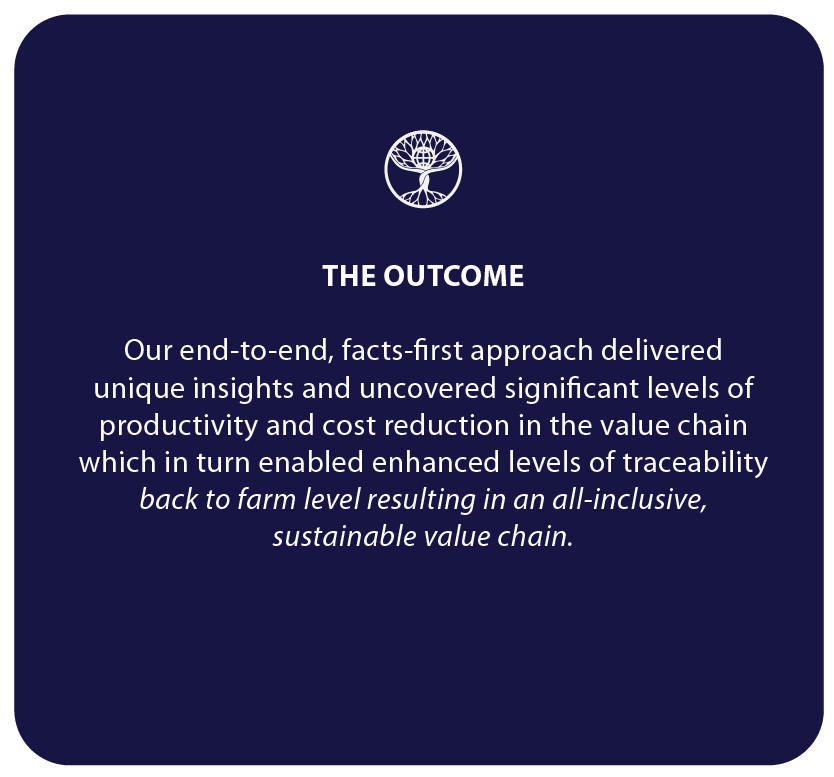
The Southern African palm oil import value chain is largely controlled by a few major importers. Given the vertically integrated nature of these large importers, the need existed to understand and redesign these value chains. An end-to-end, facts first approach was required to understand the dynamics and cost drivers in the value chain.
We use cookies on our website to give you the most relevant experience by remembering your preferences and repeat visits. By clicking “Accept All”, you consent to the use of ALL the cookies. However, you may visit "Cookie Settings" to provide a controlled consent. Click here to read our Privacy Policy.
This website uses cookies to improve your experience while you navigate through the website. Out of these, the cookies that are categorized as necessary are stored on your browser as they are essential for the working of basic functionalities of the website. We also use third-party cookies that help us analyze and understand how you use this website. These cookies will be stored in your browser only with your consent. You also have the option to opt-out of these cookies. But opting out of some of these cookies may affect your browsing experience.
Necessary cookies are absolutely essential for the website to function properly. These cookies ensure basic functionalities and security features of the website, anonymously.
Cookie
Duration
Description
cookielawinfo-checkbox-analytics
11 months
This cookie is set by GDPR Cookie Consent plugin. The cookie is used to store the user consent for the cookies in the category "Analytics".
cookielawinfo-checkbox-functional
11 months
The cookie is set by GDPR cookie consent to record the user consent for the cookies in the category "Functional".
cookielawinfo-checkbox-necessary
11 months
This cookie is set by GDPR Cookie Consent plugin. The cookies is used to store the user consent for the cookies in the category "Necessary".
cookielawinfo-checkbox-others
11 months
This cookie is set by GDPR Cookie Consent plugin. The cookie is used to store the user consent for the cookies in the category "Other.
cookielawinfo-checkbox-performance
11 months
This cookie is set by GDPR Cookie Consent plugin. The cookie is used to store the user consent for the cookies in the category "Performance".
viewed_cookie_policy
11 months
The cookie is set by the GDPR Cookie Consent plugin and is used to store whether or not user has consented to the use of cookies. It does not store any personal data.
Functional cookies help to perform certain functionalities like sharing the content of the website on social media platforms, collect feedbacks, and other third-party features.
Performance cookies are used to understand and analyze the key performance indexes of the website which helps in delivering a better user experience for the visitors.
Analytical cookies are used to understand how visitors interact with the website. These cookies help provide information on metrics the number of visitors, bounce rate, traffic source, etc.